
Pipeline insulation involves covering pipe surfaces with insulating materials to reduce heat loss/prevent cooling loss, avoid surface condensation or freezing, improve energy efficiency, and ensure system safety and stability.
· Energy Conservation: Minimizes cooling loss during transportation
· Freeze Protection: Prevents freezing in low-temperature pipelines or media solidification
· Condensation Prevention: Eliminates surface condensation in high-temperature environments
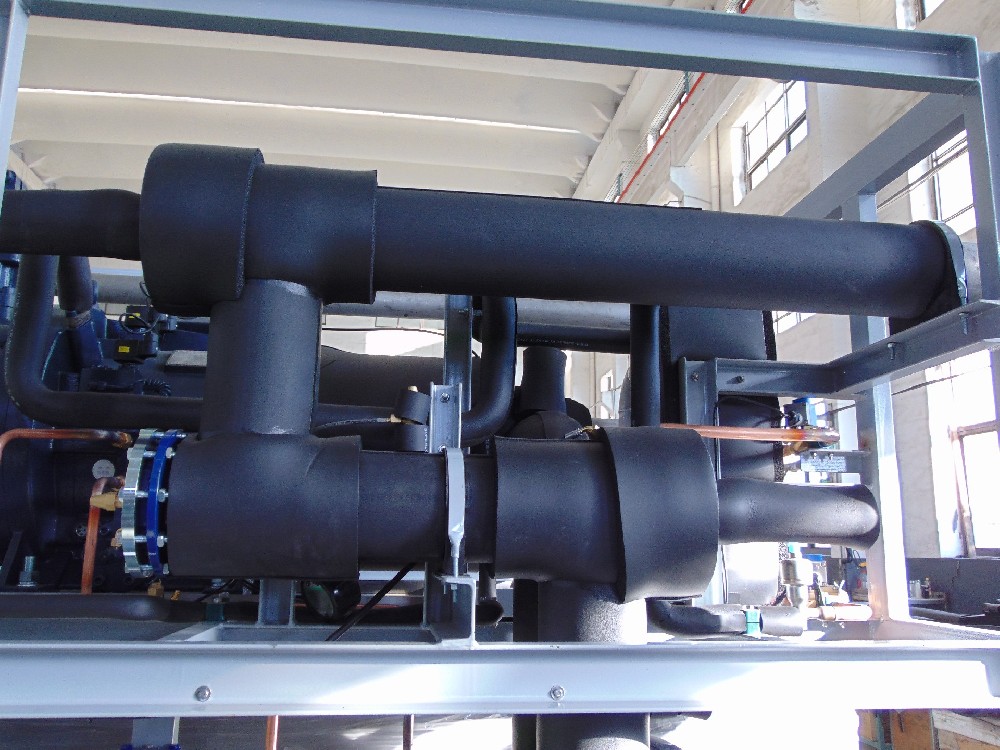
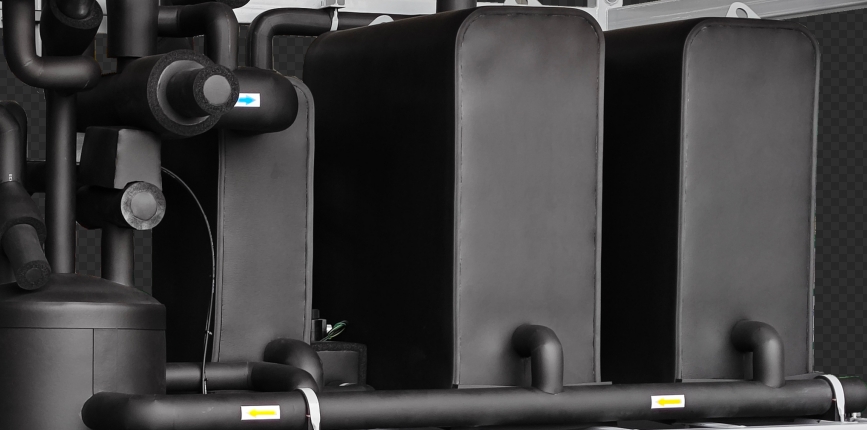
A complete pipeline insulation system typically comprises the following layers (from inner to outer):
1. Pipe Surface: Cleaning, rust removal, and anti-corrosion treatment
2. Insulation Layer: Primary insulating material (e.g., rock wool, rubber-plastic foam)
3. Vapor Barrier (Optional): Aluminum foil, PVC film (prevents moisture ingress)
4. Protective Jacket: Metal cladding (aluminum/galvanized steel) or PVC casing(protects against mechanical damage and water penetration)