1. Rigorous Pre-treatment:
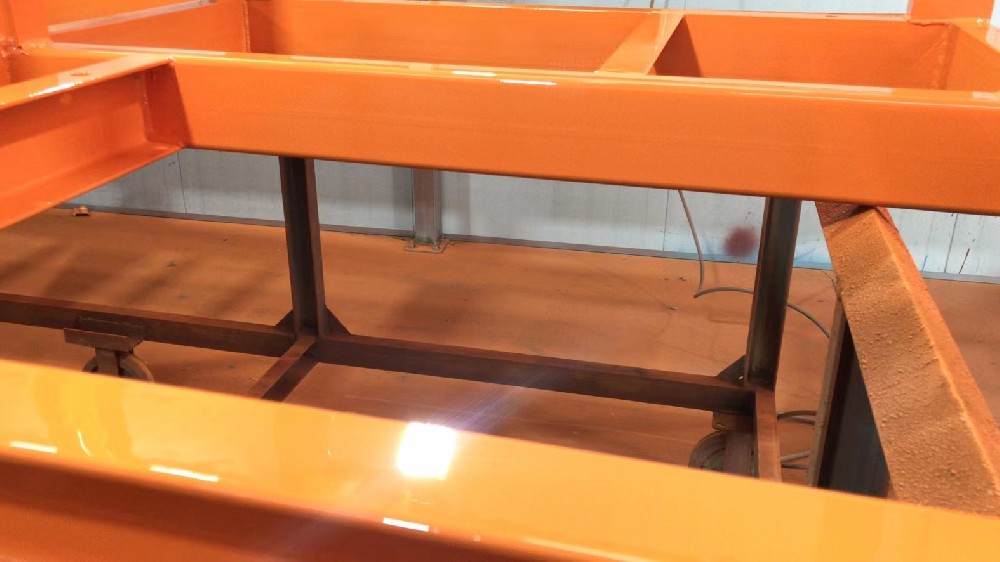
Prior to painting, refrigeration unit surfaces undergo strict pre-treatment including degreasing, derusting, and surface preparation. This ensures clean, smooth substrates free from dust, oil, and corrosion, establishing a solid foundation for subsequent coating.
2. Premium Coating Selection:
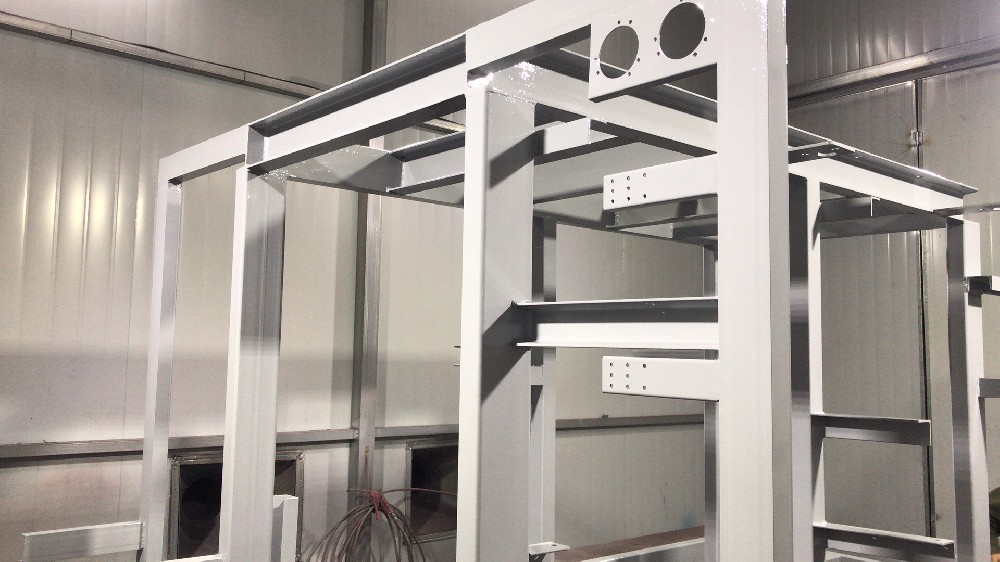
High-quality corrosion-resistant and weatherproof paints are selected. These coatings form uniform, dense protective layers that effectively shield unit surfaces from environmental erosion.
3. Precision Application Techniques:
Advanced coating methods (spraying/rolling) ensure even, smooth paint films without defects like sagging or bubbling. Each process stage undergoes stringent quality control to achieve optimal coating performance.
4. Exceptional Corrosion Resistance:
The painted surfaces of refrigeration units demonstrate superior anti-corrosion properties, effectively resisting oxidation, corrosion, and other chemical reactions. This significantly extends the equipment’s operational lifespan.
5. Aesthetic Sophistication:
Beyond protective functionality, the paint coating delivers a visually appealing and professional finish. Through strategic color selection and application methods, the units achieve both utilitarian reliability and decorative elegance.
6. Long-Term Durability:
Engineered for enduring performance, the coating maintains strong adhesion and exceptional wear resistance. It withstands daily friction and incidental impacts while preserving the unit’s pristine surface appearance.
1. Masterful Technique, Precision in Detail:
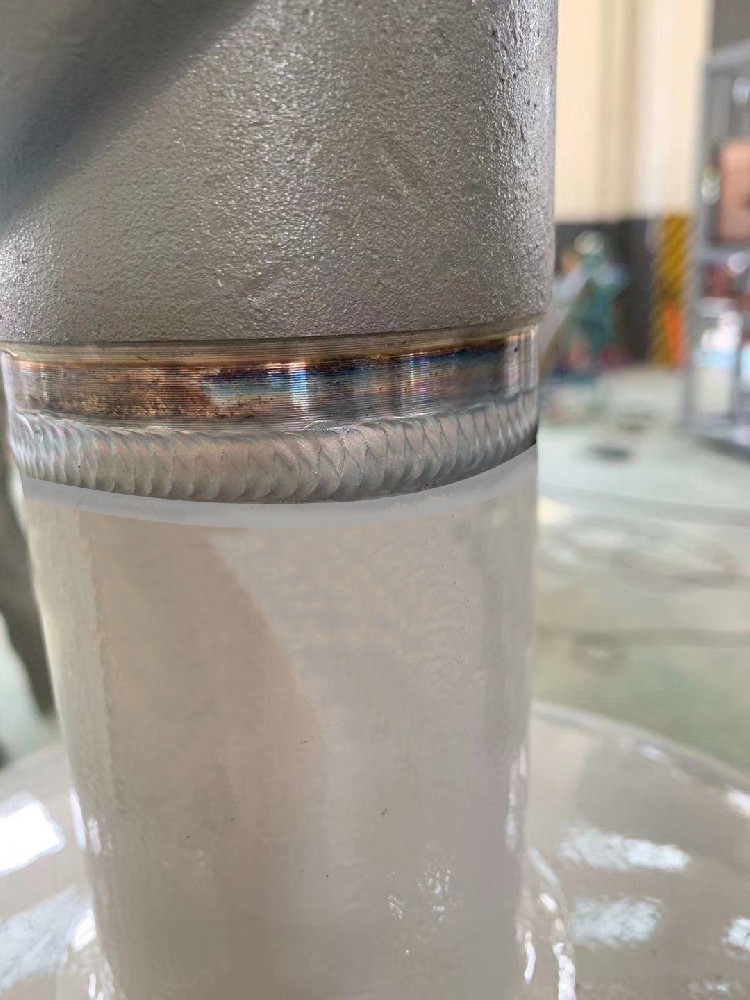
Components undergo meticulous cleaning and pre-welding preparation to ensure contaminant-free, polished surfaces – establishing the foundation for premium welding.
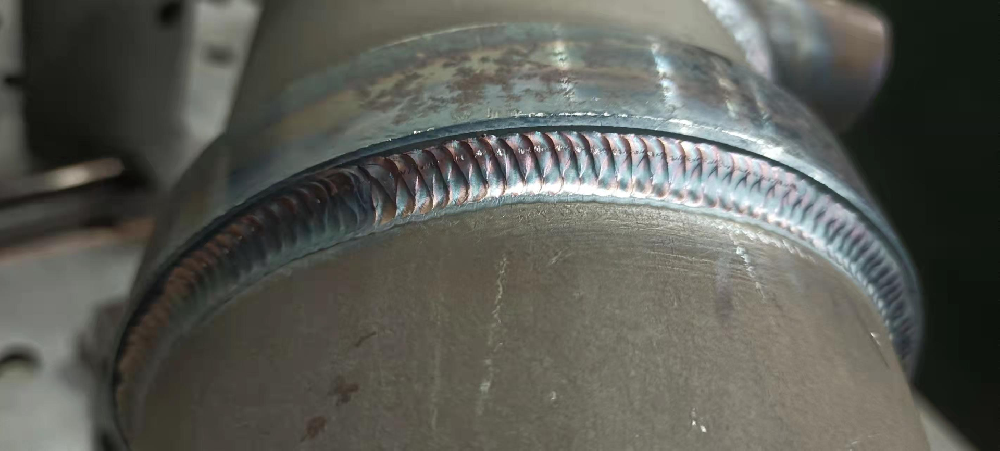
Technicians expertly control flame intensity, temperature, and welding speed during operations, producing smooth, uniform seams free from cracks or slag inclusions.
2. Robust Connections, Superior Sealing:
The welding process guarantees structurally sound joints between refrigeration unit components, with high-strength seams capable of withstanding operational vibrations and impacts.
Simultaneously, it ensures hermetic sealing integrity to prevent refrigerant leakage.
3. Refined Aesthetics, Standards Compliance:
Finished welds demonstrate both structural reliability and visually refined finishes that comply with industry standards.
Welding execution considers holistic unit aesthetics, achieving seamless integration between seams and adjacent surfaces to enhance overall quality perception.
4. Expertise-Driven Reliability:
Welding protocols reflect rigorous professionalism, ensuring consistent and stable weld quality.
Operators strictly adhere to safety regulations and standardized procedures throughout the welding process.
5. Adaptive Performance:
The welding methodology accommodates diverse refrigeration unit types and material requirements – whether copper, steel, or specialty alloys – delivering optimal results.
Process design accounts for operational environments, guaranteeing seam durability under extreme conditions including thermal cycling and chemical exposure.
Pipeline insulation involves covering pipe surfaces with insulating materials to reduce heat loss/prevent cooling loss, avoid surface condensation or freezing, improve energy efficiency, and ensure system safety and stability.
· Energy Conservation: Minimizes cooling loss during transportation
· Freeze Protection: Prevents freezing in low-temperature pipelines or media solidification
· Condensation Prevention: Eliminates surface condensation in high-temperature environments
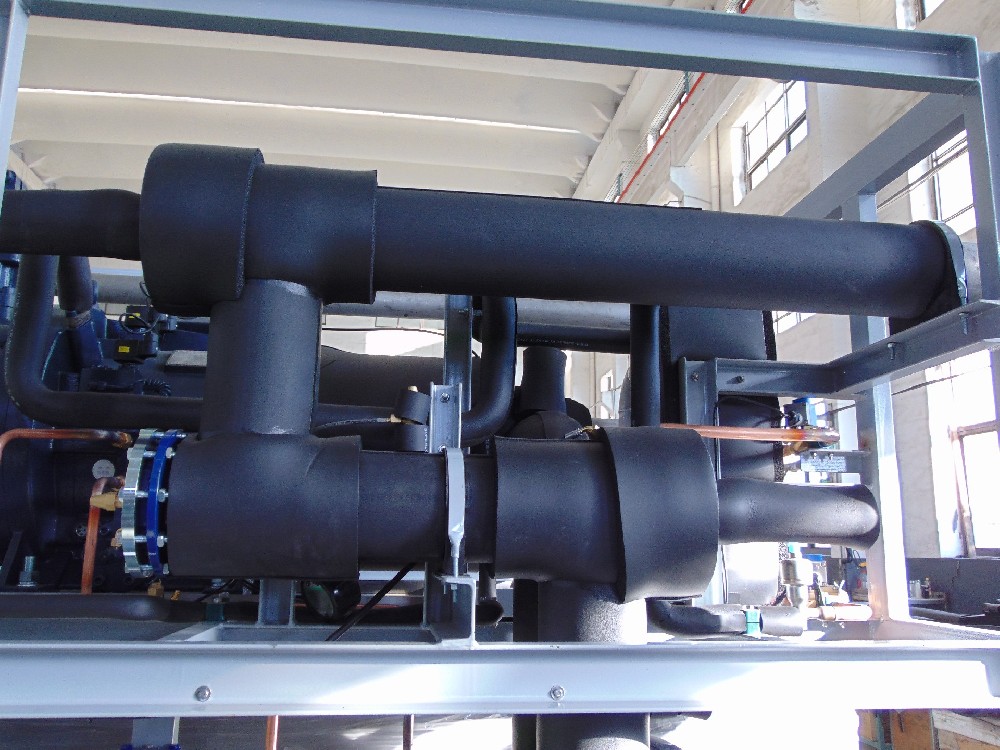
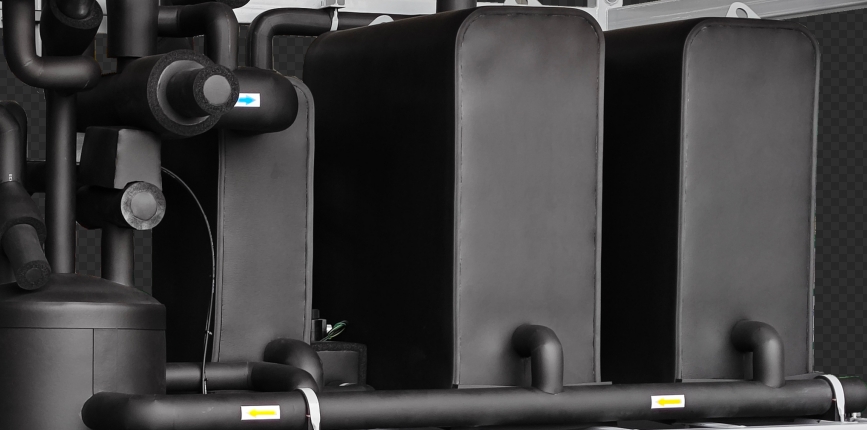
A complete pipeline insulation system typically comprises the following layers (from inner to outer):
1. Pipe Surface: Cleaning, rust removal, and anti-corrosion treatment
2. Insulation Layer: Primary insulating material (e.g., rock wool, rubber-plastic foam)
3. Vapor Barrier (Optional): Aluminum foil, PVC film (prevents moisture ingress)
4. Protective Jacket: Metal cladding (aluminum/galvanized steel) or PVC casing(protects against mechanical damage and water penetration)
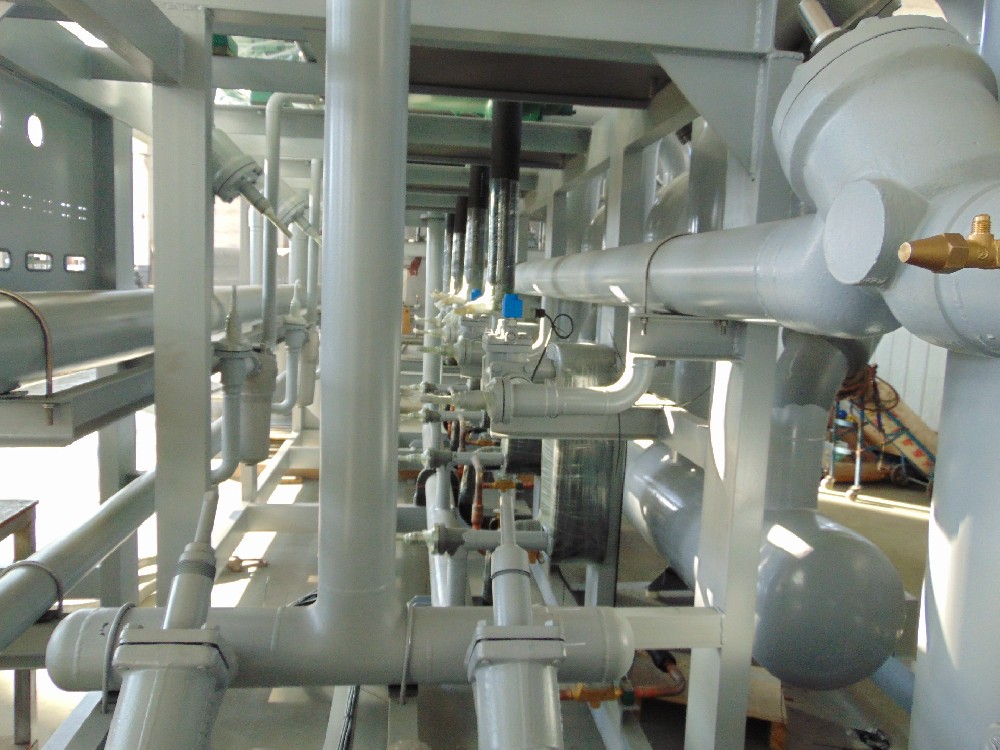
1. Short, Straight, Simple, Smooth:
Pipeline layout adheres to the "4S Principle" – minimizing length, bends, and resistance to ensure unobstructed refrigerant flow. This approach enhances cooling efficiency while reducing energy consumption.
2. Space-Efficient Configuration:
Layouts maximize spatial utilization through rational routing and arrangement, achieving compact equipment footprints without wasted space.
3. Maintenance Accessibility:
Designed for serviceability with logically positioned connections that facilitate disassembly, component replacement, and pipeline flushing.
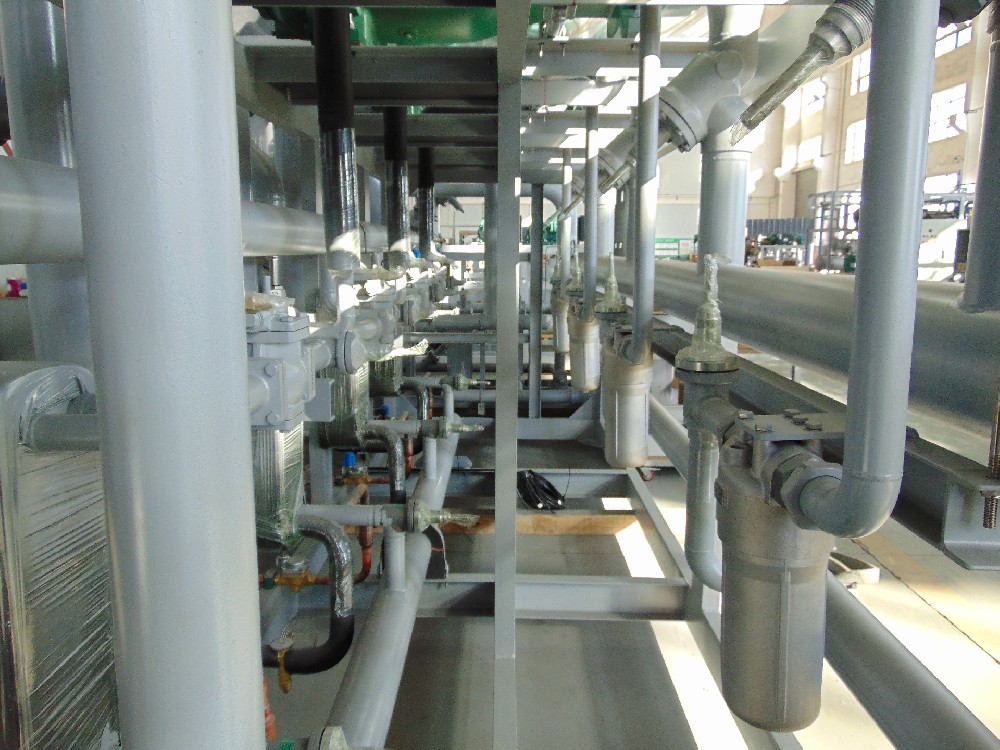
1. Meticulous Detail Execution:
Critical details include optimized bend radii at turns to prevent increased fluid resistance and pipeline abrasion.
2. Comprehensive Safety Protection:
Pipelines are secured on structural supports with protective guards against external damage or accidental personnel contact.
3. Adaptive Configuration:
Layouts accommodate diverse refrigeration units – from industrial-scale systems to commercial applications – through customizable routing solutions.
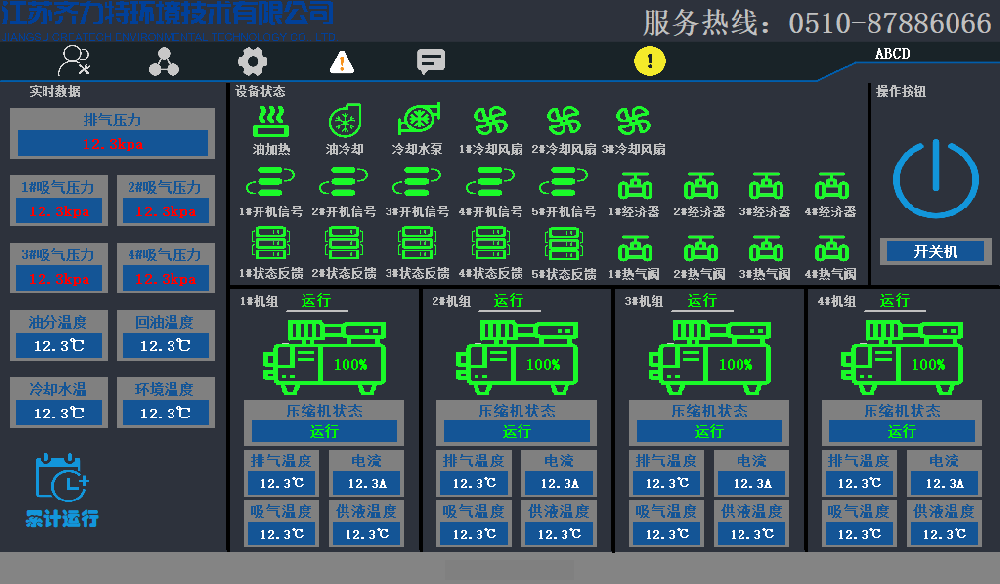
High Customizability: Functionality is tailor-designed to meet specific user requirements.
Operational Flexibility: remote support enables real-time adjustments per user needs.
Professional Reliability: Remote monitoring of operational data ensures uninterrupted equipment performance.
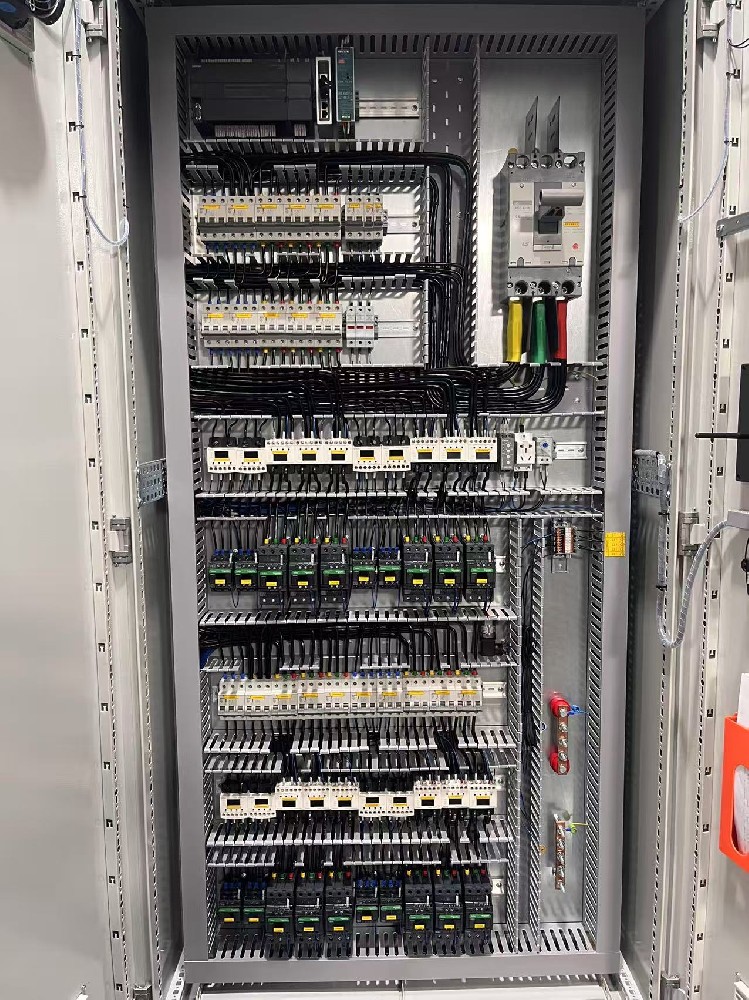
Centralized Control: Integrates diverse electrical control components into a unified system.
Safety Protection: Provides overload, short-circuit, and leakage protection mechanisms.
Signal Processing: Acquires, processes, and transmits multiple signal types.
System Monitoring: Real-time surveillance of equipment operating status.